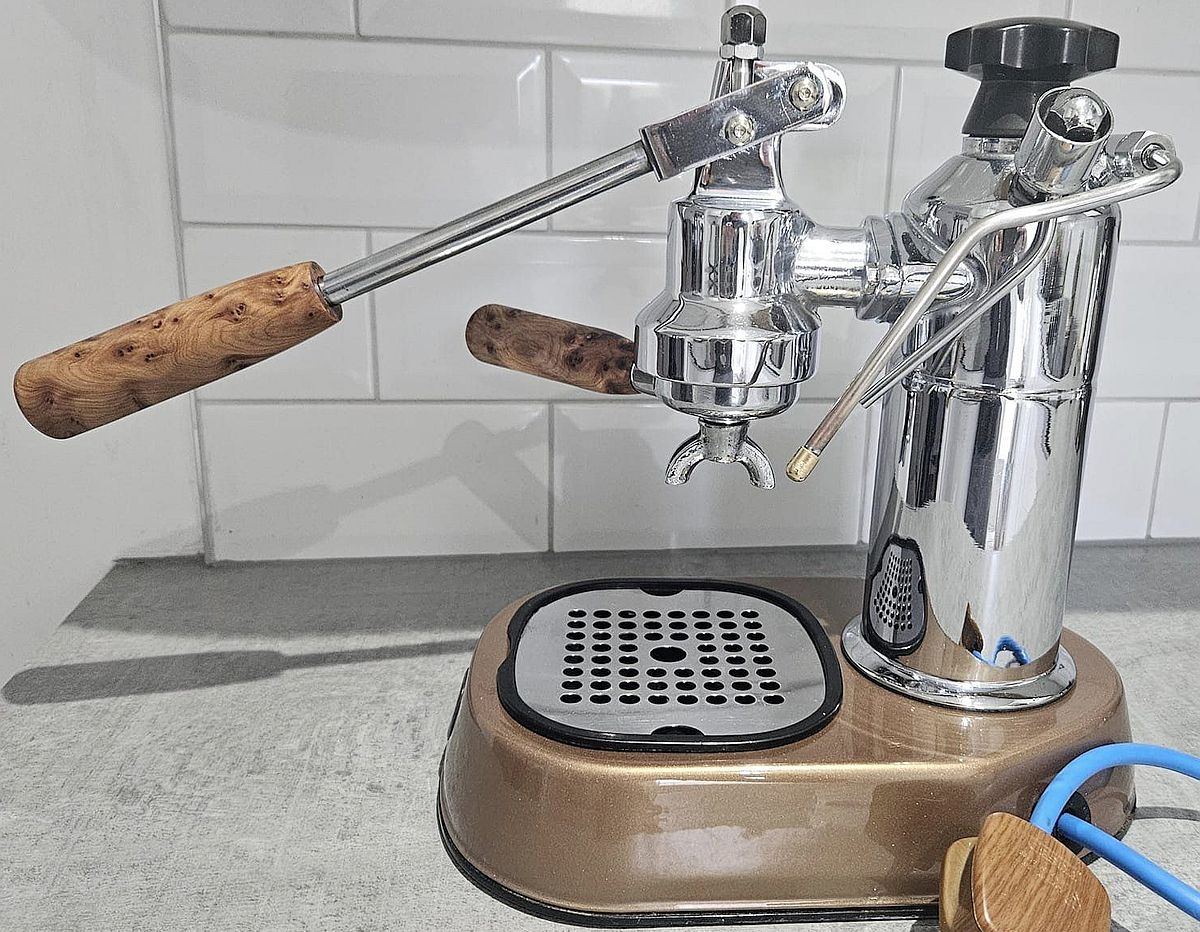
Manual espresso machines are among the most underrated brewers, offering a compelling alternative for pulling a shot. Their key advantage lies in a low-tech, electricity-free design—though some models may require power, as we’ll explain. This simplicity allows use anywhere, from remote campsites to off-grid kitchens, making them a favorite for coffee enthusiasts seeking control and portability.
This expert guide introduces you to manual espresso making and the various types of manual espresso machines. We explain why seasoned enthusiasts prefer them, how they can benefit your daily routine, and what to consider before buying. Note: this is not a review, but we link to authoritative review articles for further research.
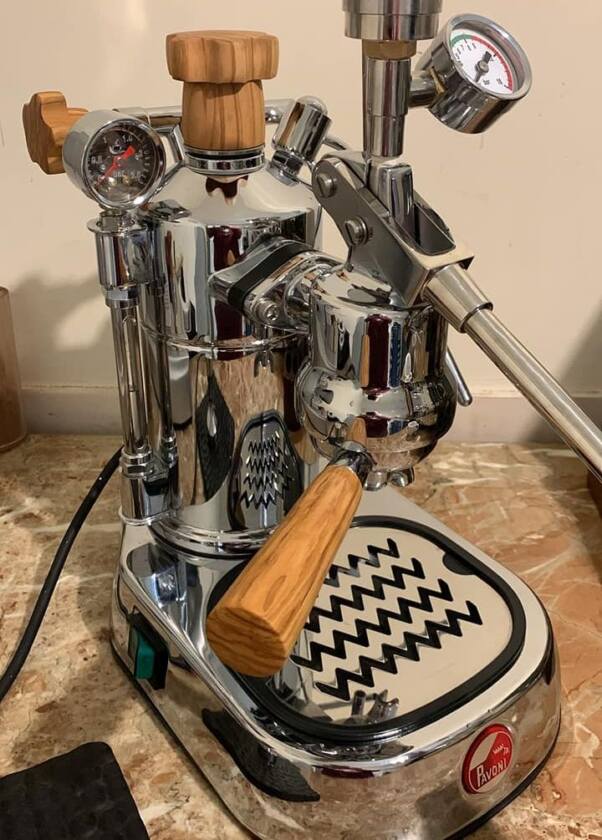
An Introduction to Manual Espresso Machines
The manual espresso machine is as old as espresso itself. The history of espresso begins with manual machines, long before automation entered the scene. The semi-automatic only appeared in the late 1930s. While the semiautomatic espresso machine revolutionized the industry by allowing more consistency from shot to shot, it also reduced the reliance on barista skill — a trade-off that many purists still debate today.
However, the lever espresso machine has made a strong comeback in the modern coffee scene. Its major selling point is the unparalleled control it offers over the brewing process. The barista has direct command over every variable, including pressure — a level of precision that is only possible with a manual espresso machine. This hands-on approach is highly valued by specialty coffee professionals and enthusiasts alike.
It is important to note, however, that this control comes at a significant cost: inconsistency. A single mistake can easily ruin your shot. The barista must master the technique thoroughly to achieve consistent, repeatable results. We will explore this challenge in greater detail later in the article.
Lever-operated machines were the direct precursor of the semi-automatic espresso maker as we know it today. Without the invention of the lever-operated espresso machine, we would not be able to “pull a shot” — and that phrase itself is a direct artifact of history. The term was coined during the era when brewing espresso required physically pulling the machine’s lever, and it has remained in barista vocabulary ever since.
Lever espresso machines are inherently more temperamental because the pressure is controlled entirely by hand. A moment of hesitation can ruin your shot. Conversely, if you master the art of handling the lever, you can pull truly exceptional shots that rival those from far more expensive automated systems.
Manual espresso machines are often perceived as relics — tools for coffee snobs who use them to show off. This perception is only partially accurate. Yes, hand-operated espresso makers are difficult to use, and countless shots have been ruined by inexperience. But espresso enthusiasts value them precisely because they enable pressure profiling, giving skilled users an unfair advantage in their quest for the elusive “God shot.”
But the lever machine is not the only type of manual espresso maker. A relatively recent innovation is the hand pump espresso machine. While the hand-operated espresso maker does not generate as much pressure as a lever machine, it is highly portable and caters to a distinct audience — travelers, campers, and minimalists who refuse to compromise on espresso quality.
People often mistakenly call semi-automatic espresso machines “manual.” This can cause confusion. While a semi-automatic requires more barista involvement than a super-automatic, it is still a long way from a fully manual machine, where the user controls every aspect of extraction from start to finish.
Portable or Hobbyist? Different Manual Espresso Machines
I briefly mentioned the two types of manual espresso makers, but it’s really hard to classify devices in this espresso maker category. However, here is an attempt based on expert analysis and user experience.
Portable Manual Espresso Machines
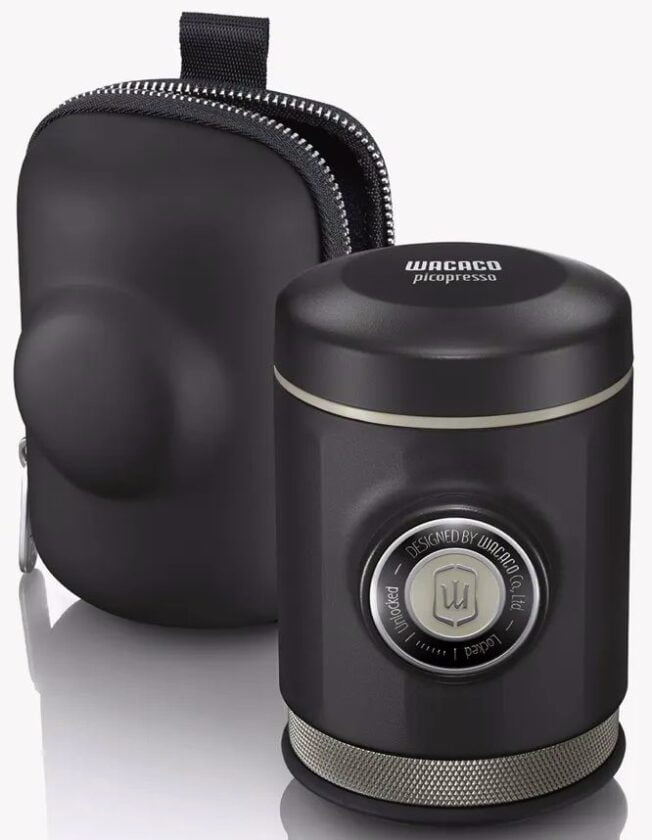
This category includes portable or travel-friendly devices. The most commonly used are hand pump espresso makers. The hand pump espresso maker is a coffee maker that uses a hand pump to compress the air in the brew chamber. The operator can create a considerable amount of pressure, enough for the result to qualify as an espresso shot according to Specialty Coffee Association (SCA) standards.
The hand pump espresso makers are small, convenient, and they are not expensive. They do require a considerable expertise and skill level to pull great shots, and the learning curve is steeper than for other manual machines, as consistent pressure application is key to extraction quality.
Popular hand pump espresso makers include Wacaco, Handpresso, and Staresso.
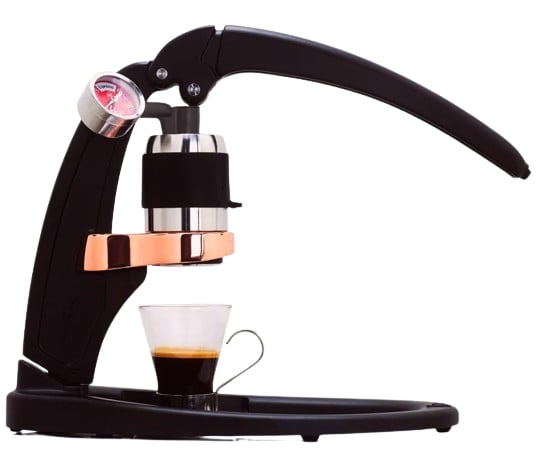
There are small lever operated espresso makers, which can be included in this category. The most popular are Flair and ROK.
Hobbyist Manual Espresso Machines
I call them hobbyist, because they require a lot of attention, time and dedication to operate. Most of these machines pull amazing shots, in the hands of the trained barista. However, the owner of such a machine is in for serious commitment. From training, experimenting, to the occasional ruined shot, and just the added manual work, compared to a semiautomatic.
It goes without saying that for the manual espresso machine owner, pulling a shot it is a moment of relaxation. What most of us perceive as inconvenience, they see as ritual. What we see as time lost, they see as relaxation time.
The lever espresso machine is the traditional type. The barista manually operates the lever, which in turn creates the necessary pressure to extract the coffee. The operator needs physical strength to pull the lever down to create the pressure.
There are two types of lever operated espresso machines:
Direct Lever Machines: the user directly controls the pressure and water flow through the coffee grounds by physically pulling the lever. This type allows for a high degree of control over the brewing process but requires practice and physical effort.
- Imagine a machine where you pull down a lever (like pulling down the handle of a slot machine in a casino).
- Inside, there’s a spring that gets compressed (squeezed tightly) when you pull the lever down.
- When you let go, the spring pushes back to its original shape. This action forces water through the coffee at high pressure.
- The spring is what’s doing most of the work to create the pressure, so you don’t need to use a lot of muscle.
- This kind of machine helps make each shot of espresso consistent because the spring controls the pressure.
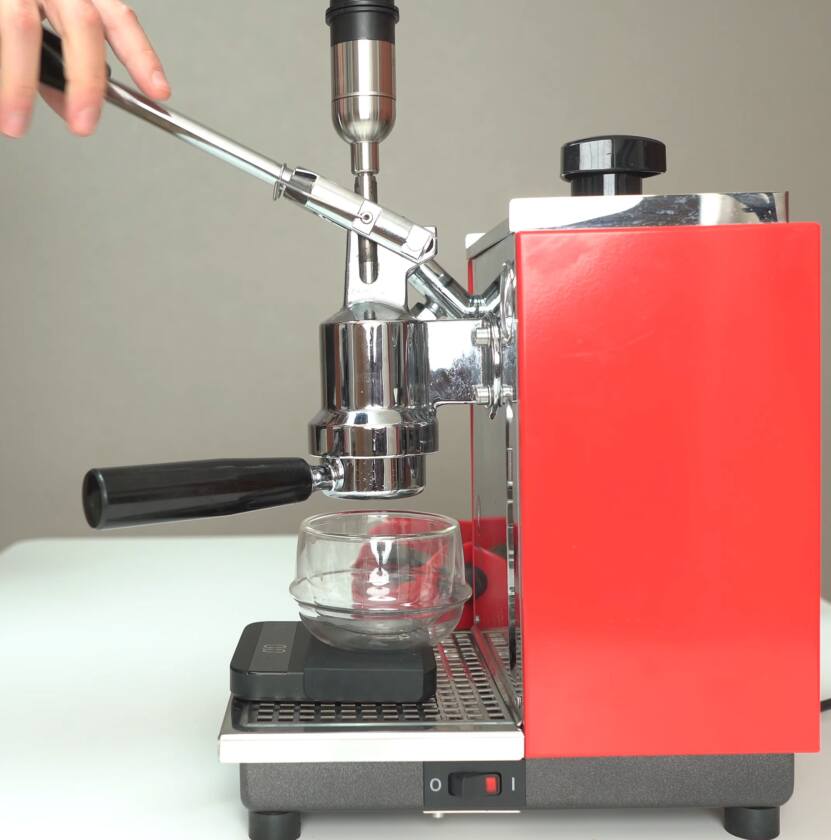
Spring Piston Lever Machines: these are a slightly more automated version of the lever machine. The user still operates a lever, but the pressure is generated by a spring mechanism. When the lever is pulled down, it compresses a spring, which then provides the force needed for extraction when the lever is released.
- This machine also has a lever, but there’s no spring to help you.
- When you pull the lever down, you’re directly pushing the water through the coffee with your own strength.
- The amount of pressure depends on how hard you push the lever.
- It’s like using a manual pump to inflate a bicycle tire – the harder you pump, the more air gets pushed into the tire.
- This machine gives you more control over the brewing process, but it also requires more practice and strength to get a consistent shot of espresso.
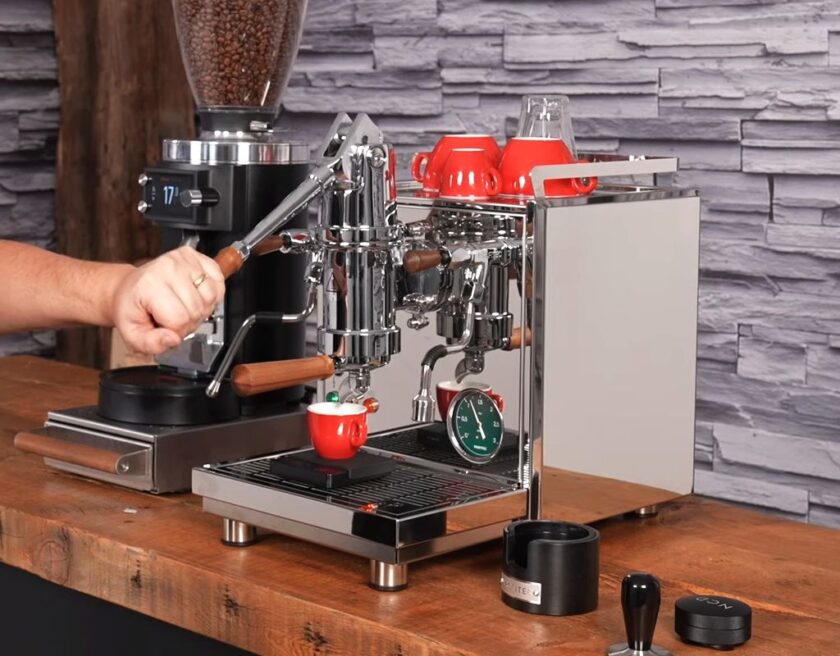
At the end of the day, the biggest difference between the two is that a spring piston lever machine uses a spring to help create pressure, making it easier to use and more consistent. A direct lever machine relies entirely on your strength and skill, offering more control but requiring more effort and practice.
You can go fully manual, with a device that creates pressure by operating a small pump that looks very similar to a bicycle pump. With this device, you dump your grinds into the brewer, pour some hot water and pump to make enough pressure to pull the shot. You can create more than the 9 bar needed for an espresso. Once the pressure is created, you press a button to pull the shot.
The advantage of these devices is the small footprint and portability. You can take these with you anywhere, and brew a coffee. The disadvantage is the lack of consistency. You can pull great shots, but also you can fail some. The learning curve is somewhat steep. But if you are a die-hard espresso fan, you will love this on your next trip. These devices are also called hand pump espresso makers, and their major feature is portability.
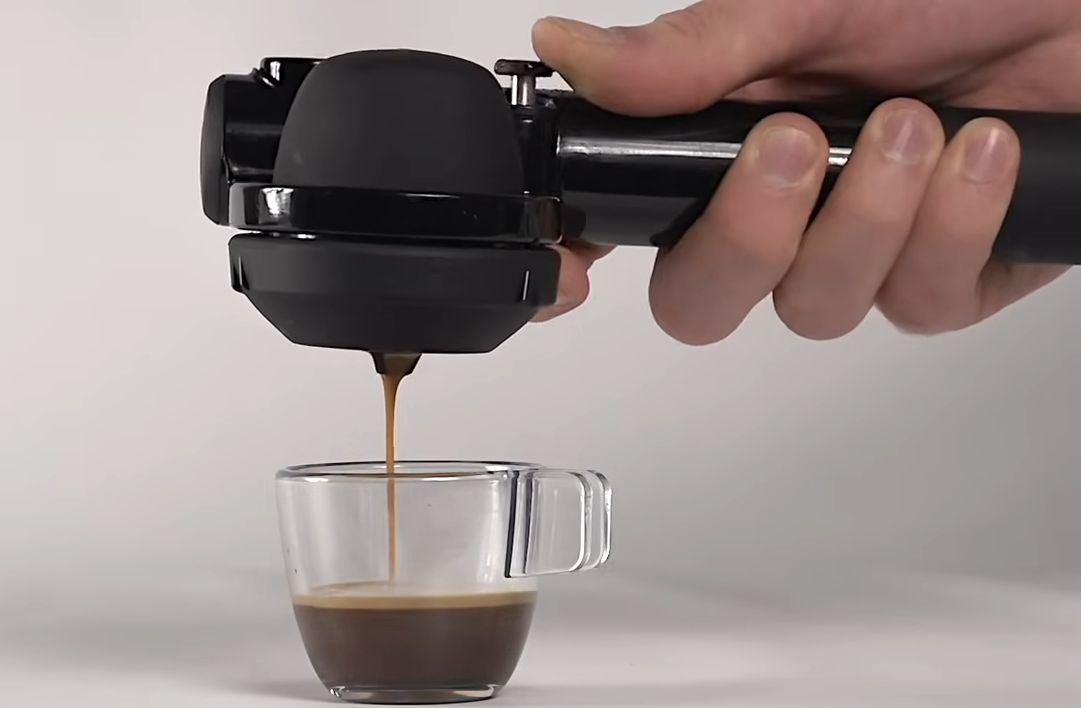
Manual Espresso Machine – Handpresso WILD
Are you an espresso addicted and cannot live without your daily shot? Or maybe you want to impress your friends with an espresso on your hiking trip… It is perfectly possible with the Handpresso WILD, a portable manual espresso device, easy to carry everywhere, no electricity required and extremely easy to use. The manual espresso machine uses coffee pods, which makes it even more easy to use, makes no mess, and deliver a great espresso. Watch the video below to see it in action.
There are also lever operated espresso makers that don’t need electricity. You just add hot water and operate the lever(s). These two types are fully manual, and they don’t need any electricity. They are portable, but they are larger than the pump operated ones.The advantage is that you can control the pressure better. When you fully trained your hand to pull a shot with these manual espresso makers, you can get awesome shots. You only need hot water.
These devices give you more consistency and better control over the brewing process. This manual espresso press is great in remote areas without electricity. The disadvantage is the steep learning curve. You will pull a lot of average and underwhelming shots until you will consistently pull awesome espressos. You can pull shots head to head without having to wait in between.
ROK Presso Manual Espresso Maker
This is a fully manual espresso machine, that doesn’t need any electricity. It only needs hot water. The biggest advantage of a machine like this is that allows to fully customize your shot. The pressure is manually controlled, and this allows for a low pressure at the beginning, and higher pressure at the end of the extraction, which will improve your shots dramatically.
Another option is the hybrid, lever operated machine, with manually created pressure, but with water heated electrically. The advantage of such a machine is the convenience of having the water heated up within the machine. This machine has an electrical boiler that heats up the water, instead of you having to heat it separately, and then pour it into the brewer.
These machines don’t have a thermostat to control the temperature in the boiler. They overheat after the first few shots, and this means you have to wait 20 to 30 minutes until the boiler cools down. These machines are ideal for pressure profiling since some of them include a pressure gauge.
These are, in my opinion, the best option to play with pressure profiling, as discussed in this awesome thread at Home-Barista.com.
The mechanism behind that advantage is simple. On a lever machine, you control extraction pressure directly through the lever position, so every shot gets a pressure curve drawn by hand. Spring piston levers produce a natural low-high-low profile, while direct levers let you hold, ramp, or taper pressure at will. This is pressure profiling in its original form, decades before programmable pumps existed. It rewards practice and punishes inconsistency.
For the espresso enthusiast who aims perfection, and likes to play with coffee, this is the perfect machine. The disadvantage is that this type of machine has a steep learning curve, and you can’t pull more than a few shots, and you need to let it cool off.
Jim Hoffman explains in his post about pressure profiling why lever espresso machines work so well and are able to pull “distinctive and delicious espressos”. He attributes this to the low-pressure-high-pressure-low-pressure profile specific to spring piston lever machines.
Frequently Asked Questions
How does a manual espresso machine work
Manual espresso machines operate through lever mechanisms that allow the barista to control pressure manually during extraction. The term ‘pulling a shot’ originated from the physical action of pulling the lever on these machines. This manual pressure control enables complete command over every brewing aspect, including pressure profiling, though it requires mastered technique to avoid inconsistency.
Are manual espresso machines better than automatic
Manual espresso machines offer unparalleled control over the brewing process, including unique pressure profiling capabilities that allow baristas to pursue exceptional shots. However, this advantage comes with significant inconsistency risk, as shots are easily ruined without mastered technique. Semi-automatic machines, introduced in the late 1930s, revolutionized the industry by providing more consistency and reducing reliance on barista skill.
Do manual espresso machines need electricity
Manual espresso machines typically feature low-tech designs that lack electrical components, allowing operation in various locations including remote areas without electricity. This portability represents a primary advantage of manual machines. However, some models may require electricity depending on their specific design and features, making it important to verify individual machine specifications.
Why do baristas use manual lever espresso machines
Espresso enthusiasts favor manual lever machines because they enable pressure profiling, providing an advantage in pursuing exceptional shots. The manual control allows baristas to adjust every brewing aspect, including pressure variations during extraction. Despite being more temperamental and requiring perfected skills, mastering lever handling techniques allows baristas to pull shots unattainable with automated equipment.
What is the history of manual espresso machines
Manual espresso machines represent the origins of espresso itself, predating all other espresso machine types. Lever-operated machines served as precursors to semi-automatic espresso makers, which only emerged in the late 1930s. The historical term ‘pulling a shot’ derives directly from the lever-pulling action on these original machines, and this terminology remains standard among baristas today.